
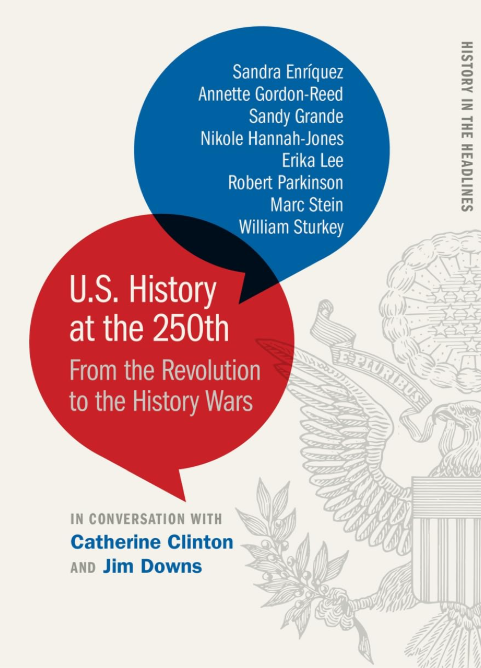
The year 2026 marks the 250th anniversary of the Declaration of Independence. But does the nation begin in 1776, or do we trace its origins to some point earlier―for example, the arrival of the first enslaved people in 1619 or the initial settlement of Indigenous people? What’s at stake with establishing a date that marks the nation’s origins? Where does the history of the nation begin? In colonial New England, the Chesapeake, or in the Southwest?
In this unprecedented volume, leading thinkers come together to debate these―and many other―issues. Their conversation shows that U.S history is not just about what happened but who gets to tell the story and the political implications of the narratives we tell. The participants include two Pulitzer Prize winners: Nikole Hannah-Jones, who created the 1619 Project and ignited a national conversation about slavery and the nation’s founding; and Annette Gordon-Reed, who documented Thomas Jefferson’s relationship with Sally Hemmings. The other specialists include experts in Asian American, civil rights, Native American, Latino, LGBT, and early American history.
Publisher : University of Georgia Press
Publication date : May 1, 2026
Language : English
Print length : 176 pages
ISBN-10 : 0820377120
ISBN-13 : 978-0820377124
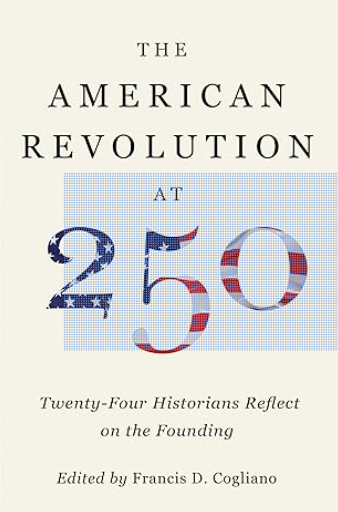
The preeminent historians of the founding era speak their mind on the anniversary of the United States’ birth
In these powerful and personal essays, some of the most celebrated historians of the American Revolutionary era reflect on the meaning of 1776 to the nation in 2026, offering fresh insights and food for thought on every page. They tackle the most pressing topics that Americans debated in 1776 and continue to debate today: the meaning of democracy; the nature of information wars; immigration and the rights and obligations of citizenship; race and slavery; public health; the various and conflicting legacies of the founders; and the shifting nature of commemoration itself. Like the Revolutionary generation they know so well, on some issues these scholarly authorities find themselves largely in accord; on others they vehemently disagree. This is historical debate at its most urgent.
No results match your search. Try removing a few filters.