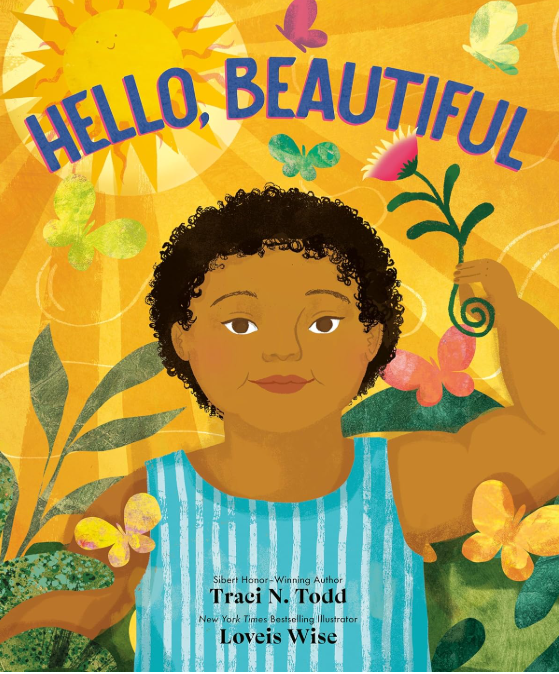
A celebration of hope and the promise of new babyhood by Sibert Honoree Traci N. Todd and Coretta Scott King Honoree Loveis Wise
An inspirational love letter from caregiver to a child, Hello, Beautiful is an intimate and uplifting depiction of love and courage. With its warmth and promise for a bold and confident future, it lyrically reminds children that they should take up space, follow their own unique paths, and find humanity in everyone around them and, most importantly, in themselves—because that is beautiful.
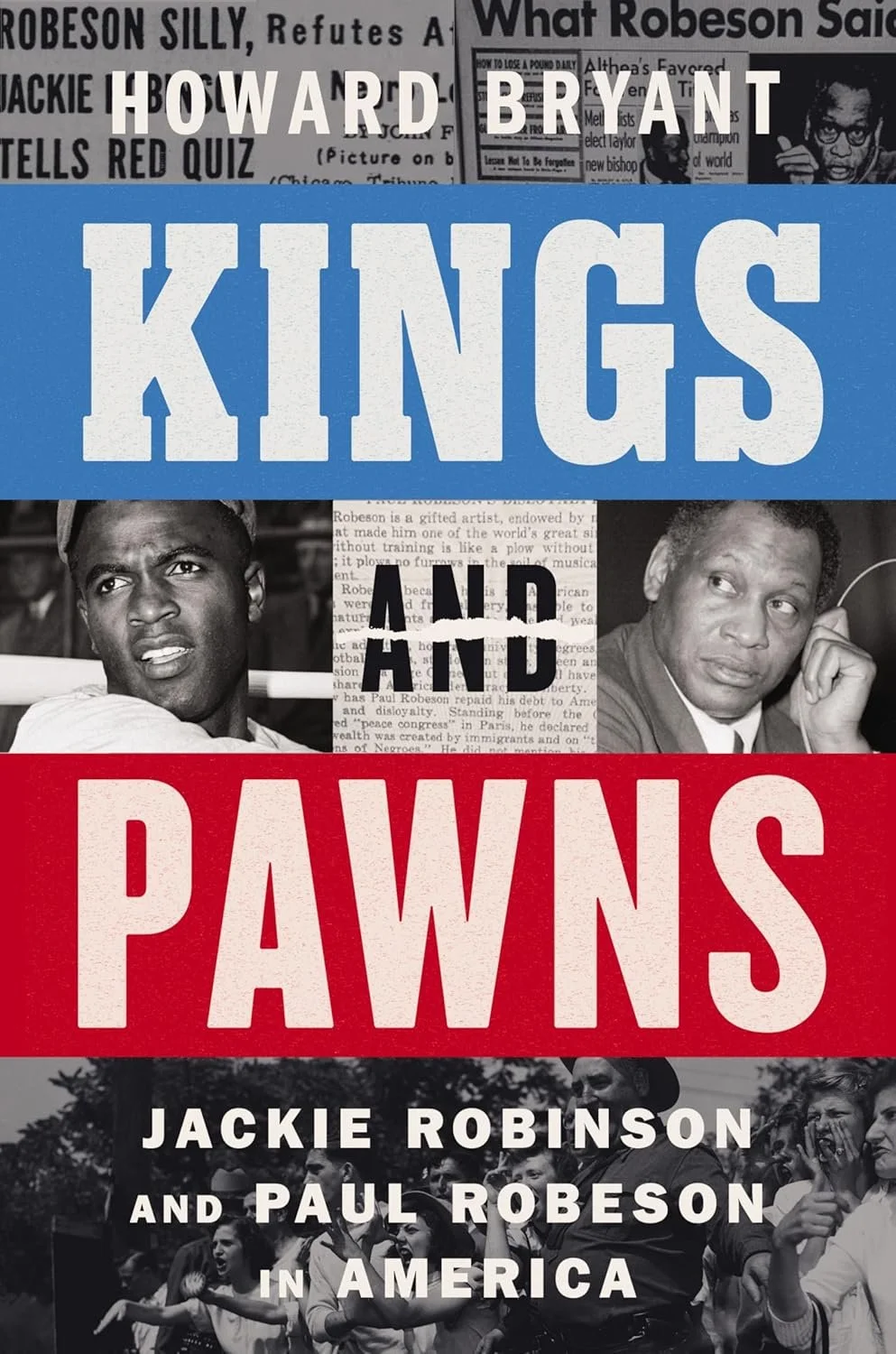
“I loved this book.... I looked forward to [it] more than any other in a long time, and Howard Bryant exceeded my great expectations. Kings and Pawns is brilliantly conceived and powerfully written.” — David Maraniss, author of Path Lit by Lightning
A path-breaking work of biography of two American giants, Jackie Robinson and Paul Robeson, whose lives would forever be altered by the Cold War, and would explosively intersect before its most notorious weapon, the House Un-American Activities Committee — from one of the best sports and culture writers working today.
Kings and Pawns is the untold story of sports and fame, Black America and the promise of integration through the Cold War lens of two transformative events. The first occurred July 18, 1949 in Washington, D.C., when a reluctant Jackie Robinson, the Brooklyn Dodgers baseball star who integrated the game and at the time was the most famous Black man in America, appeared before the House Un-American Activities Committee to discredit Paul Robeson, the legendary athlete, baritone, and actor — himself once the most famous Black man in America. The testimony would be a defining moment in Robinson’s life and contribute heavily to the destruction of Robeson’s iconic reputation in the eyes of America.
The second occurred June 12, 1956, in the midst of the last, demagogic roar of McCarthyism, when a battered, defiant Robeson – prohibited from leaving the United States – faced off in a final showdown with HUAC in the same setting Robinson appeared in seven years earlier. These two moments would epitomize the ongoing Black American conflict between patriotism and protest. On the cusp of a nascent civil rights movement, Robinson and Robeson would represent two poles of a people pitted against itself by forces that demanded loyalty without equality in return – one man testifying in conflicted service to and the other in ferocious critique of a country that would ultimately and decisively wound both.
In a time of great division, with America in the midst of a new era of retrenchment and Black athletes again chilled into silence advocating for civil rights, the story of these two titans reverberates today within and beyond Black America. From the revival of government overreach to curb civil liberties to the Cold War-era rhetoric of “the enemy within” levied against fellow citizens, Kings and Pawns is a story of a moment that remains hauntingly present.
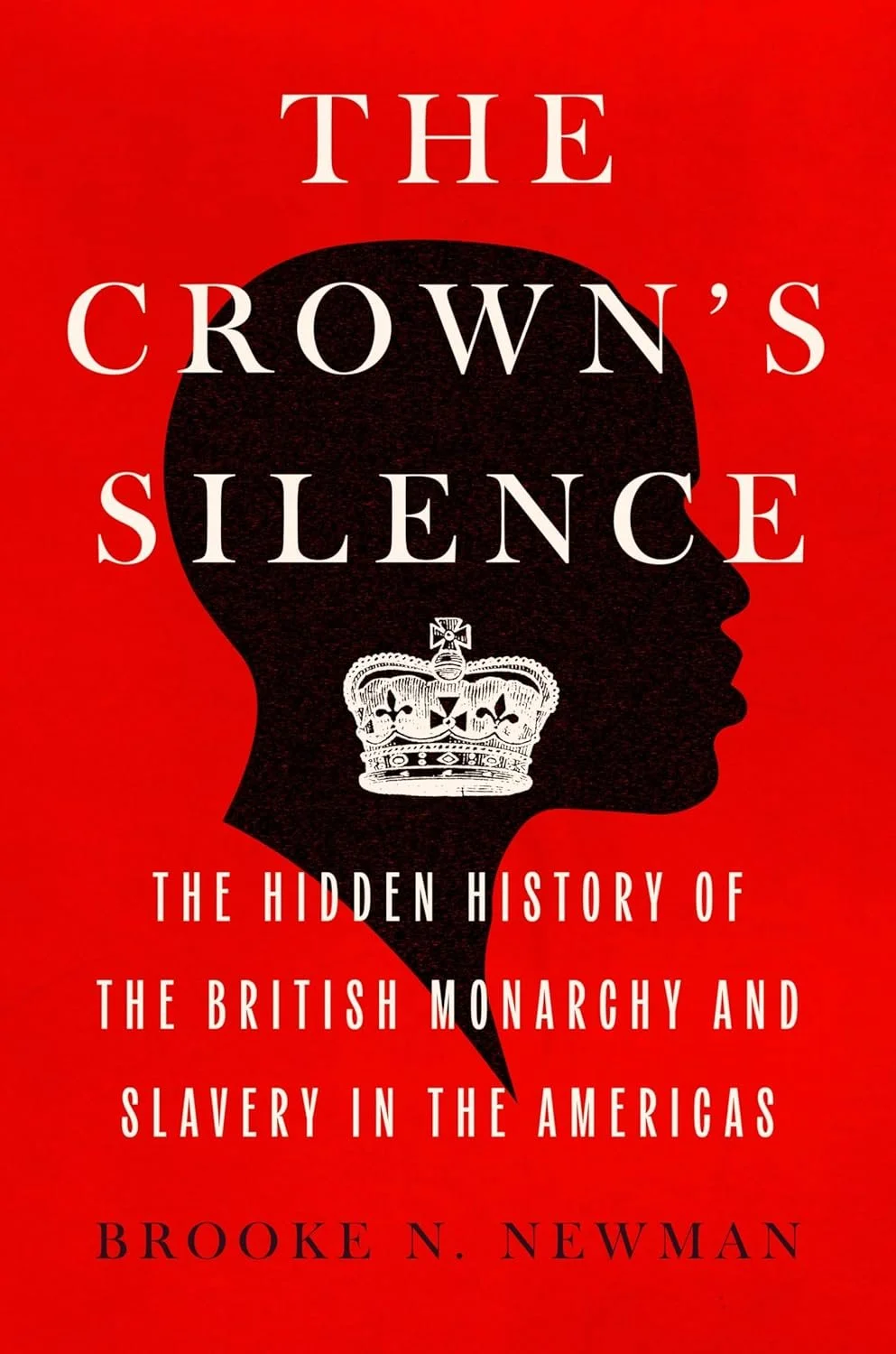
For readers of Annette Gordon-Reed and Nikole Hannah-Jones, the shocking untold story of the British royal family’s centuries-long investment in slavery and continued profiting off its legacy—from Elizabeth I to the present—and the monarchy’s culpability in the racial injustice that gave birth to the United States.
For centuries, Britain has told itself and the world that it is an abolitionist nation, one that, unlike the United States, rejected human bondage and dismantled its Atlantic slave empire without tearing itself apart in violence. An abolitionist nation headed by a just, humane monarch who liberated enslaved Africans and recognized their descendants as free and equal subjects of the British Crown. As Prince William put it recently, “We’re very much not a racist family.” When slaveholding nations write their collective history, the enslavers hold the pen.
Now, acclaimed historian Brooke Newman reveals the true story: the enslavers were supported by members of the royal family. From the 1560s to 1807, the British monarchy invested in the transatlantic slave trade and built a slave empire in colonial America and the Caribbean, with the labor of millions of enslaved Africans who would see none of its riches. It profited from African slave trading and hereditary bondage, setting the stage for other colonial powers to develop brutal slave systems that remained legal long after full emancipation in the British Empire in 1838. The scars of this history remain visible the world over, from economic inequality and educational and health disparities to racial discrimination and prejudice. Still, Crown officials continue to insist the legacies of slavery “belong to the past.”
Newman focuses not on portraits of British monarchs but on their actions and investments that led to the rise and fall of the transatlantic slave trade and colonial slavery, and on some of the people whose lives it took, placing the struggles and sacrifices of innumerable individuals of African origin and ancestry at the center of Britain’s story.
No results match your search. Try removing a few filters.