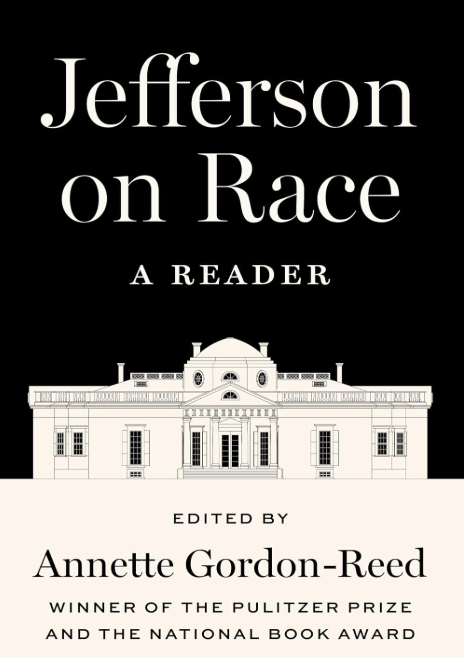
From The New York Times–bestselling and Pulitzer Prize–winning author of The Hemingses of Monticello, a groundbreaking collection of Thomas Jefferson’s writings on race that every American should read
Among America’s Founding Fathers, none was more deeply, personally, or controversially entangled with race and slavery than Thomas Jefferson. The man whose Declaration of Independence proclaimed that “all men are created equal” enslaved more than 600 people of African descent even as he acknowledged the injustice of slavery, saw himself as its opponent, and condemned it in his writings. How is this possible? In Jefferson on Race, Pulitzer Prize–winning historian Annette Gordon-Reed gathers Jefferson’s most revealing writings about African Americans, slavery, and Native Americans, enabling readers as never before to directly explore his complex and contradictory thoughts, feelings, and decisions on these subjects—the most hotly debated aspect of his legacy.
These selections come from Jefferson’s public and private writings, letters, and plantation records, as well as accounts by contemporaries, including his son Madison Hemings and three other people formerly enslaved at Monticello. The book documents Jefferson’s ideas about—and self-image in relation to—African Americans, slavery, and Native Americans, as well as his conduct, including interactions with individual Black and Native people. The writings show how Jefferson responded to living in a multiracial slave society while professing progressive ideals, and how his views on race and slavery were shaped by his experiences with enslaved Black people.
Jefferson on Race is essential reading for anyone seeking to understand Jefferson’s conflicted attitudes—and the impact of race and slavery on American history.
Publisher : Princeton University Press
Publication date : March 31, 2026
Author: Thomas Jefferson
Language : English
Print length : 416 pages
ISBN-10 : 0691122067
ISBN-13 : 978-0691122069
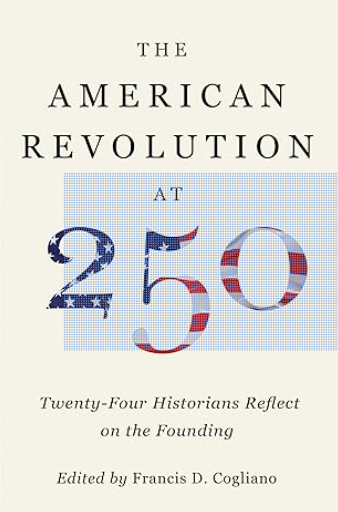
The preeminent historians of the founding era speak their mind on the anniversary of the United States’ birth
In these powerful and personal essays, some of the most celebrated historians of the American Revolutionary era reflect on the meaning of 1776 to the nation in 2026, offering fresh insights and food for thought on every page. They tackle the most pressing topics that Americans debated in 1776 and continue to debate today: the meaning of democracy; the nature of information wars; immigration and the rights and obligations of citizenship; race and slavery; public health; the various and conflicting legacies of the founders; and the shifting nature of commemoration itself. Like the Revolutionary generation they know so well, on some issues these scholarly authorities find themselves largely in accord; on others they vehemently disagree. This is historical debate at its most urgent.
No results match your search. Try removing a few filters.